The Future of Stand-Up is DIY: How Comedians Are Taking Control of Their Careers
The traditional comedy career path used to involve a clear hierarchy: getting discovered by a club, working your way through open mics, earning your spot in comedy festivals, and finally, landing that coveted TV deal or agent. For decades, that was the only route to success. But as technology and the entertainment landscape evolve, so does the path to becoming a full-time comedian. The future of stand-up comedy is now firmly in the hands of the comedians themselves.
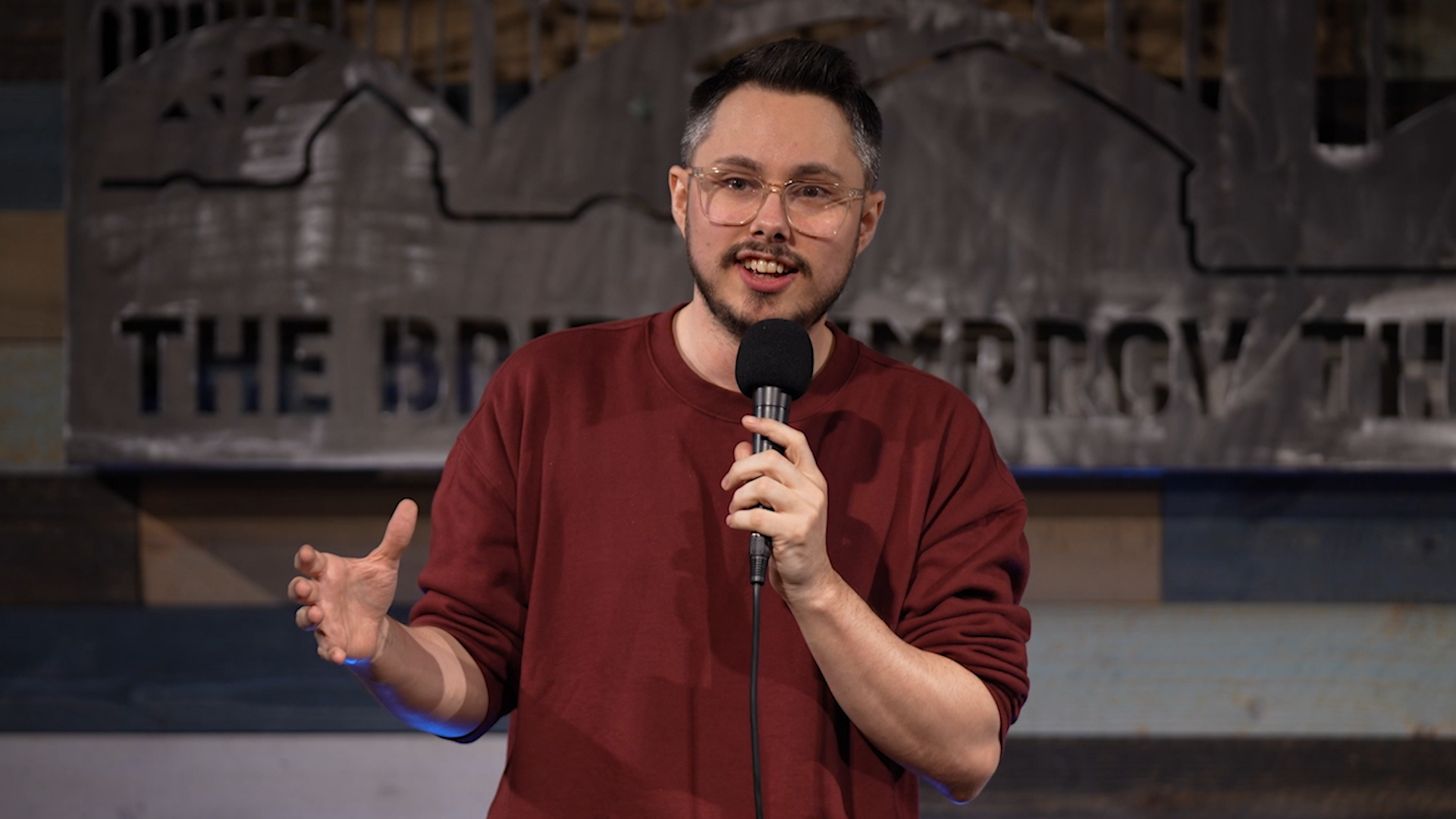
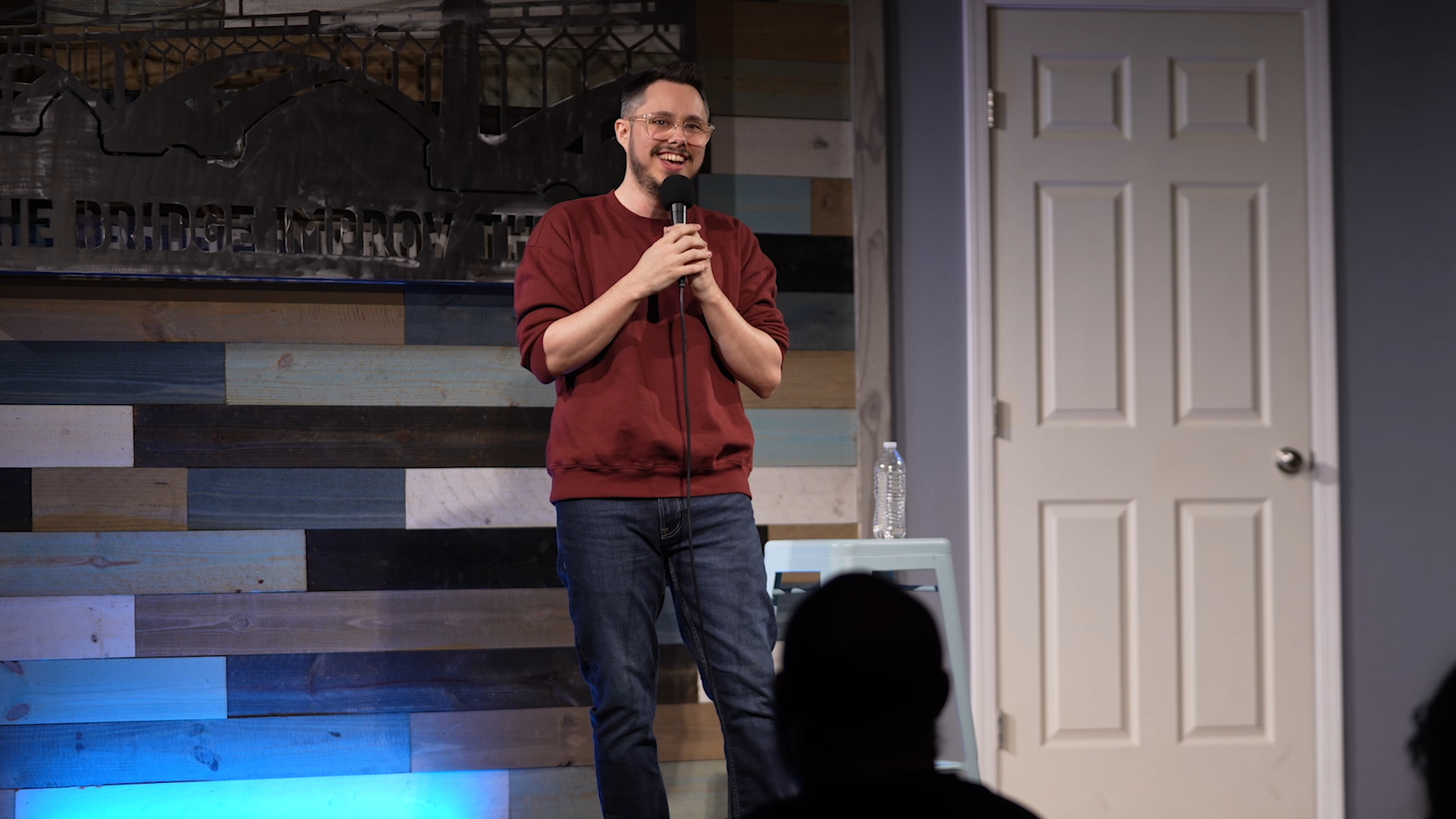
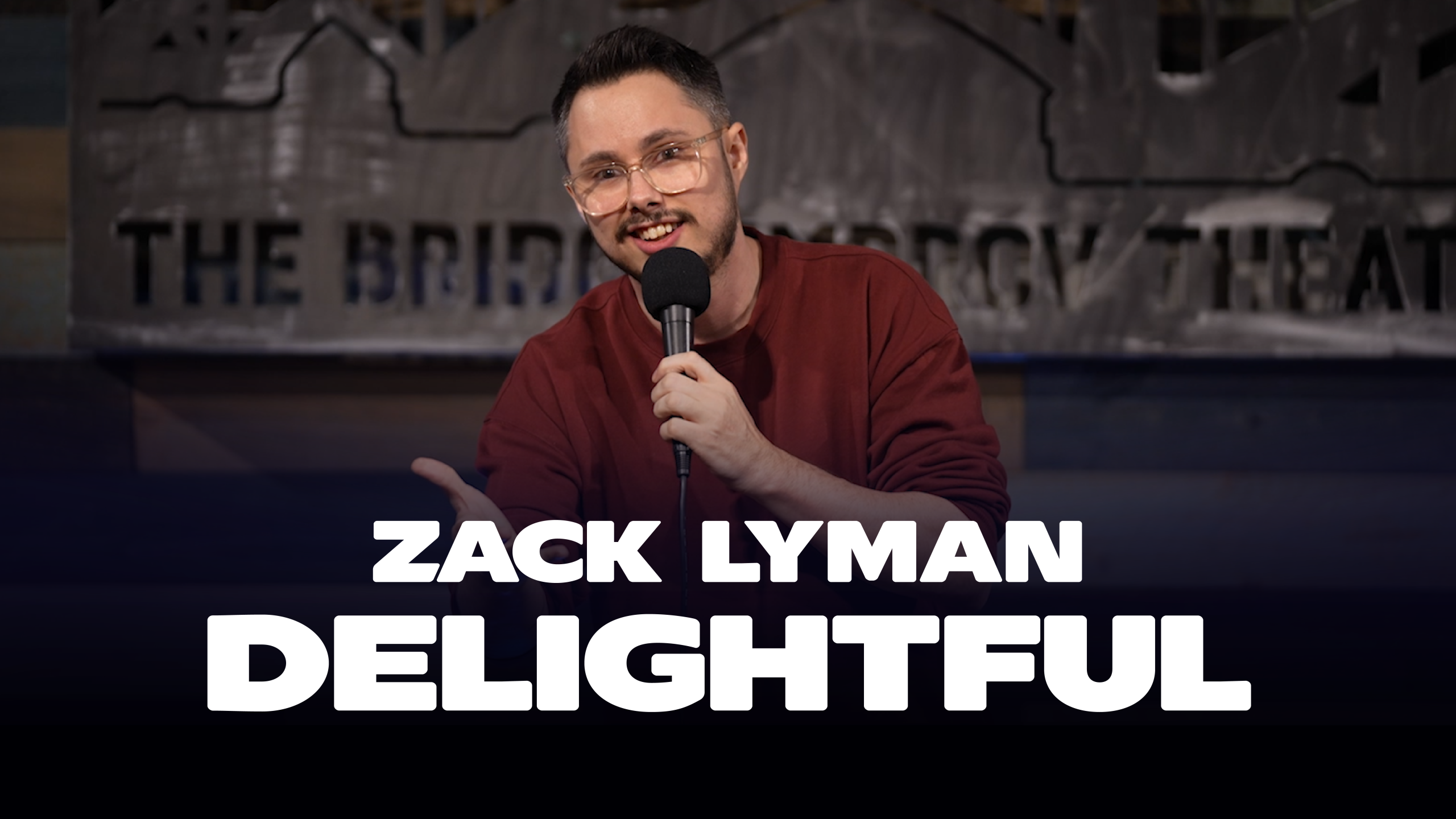
I’ve personally seen this shift firsthand. As a comedian, I built my career from the ground up, relying on DIY methods like self-booking tours, podcasting, and creating my own TV show. With platforms like Amazon Prime, I was able to bring my comedy specials, The Big Laugh and Zen Comedy, to audiences who may never have found me otherwise. And now, as I prepare to film my next special in May, I can confidently say that the DIY approach is not only possible—it’s the future of comedy.
With social media, YouTube, streaming platforms, and direct-to-fan marketing strategies, comedians no longer have to wait for an agent to give them a green light. They can take control of their careers, book their own shows, film their own specials, and become their own marketing teams. In short, the DIY comedian is not just a trend but a revolution that is reshaping the future of comedy.

1. The Rise of Independent Comedy
In the past, a comedian’s career could hinge on being discovered by an agent or a network. But today, gatekeepers are no longer the only path to success. The rise of platforms like YouTube, Patreon, and TikTok means comedians no longer have to wait for traditional opportunities—they can create them.
The shift to DIY comedy is more than just a trend; it’s the future of the industry. Independent creators now have the power to build their careers without relying on external validation. They can curate their content, experiment with different formats, and control their personal narrative.
I’ve had the privilege of experiencing this firsthand. My journey involved filming my own specials and releasing them on Amazon Prime, bypassing the traditional route of network deals or agents. The Big Laugh and Zen Comedy are now available to audiences worldwide, all because I took control of my comedy career. This shift is democratizing the comedy industry, allowing voices that might not fit the mold of traditional television to shine.
2. The New Era of Self-Booking and Touring
Booking your own shows might have once seemed like a pipe dream, but for DIY comedians, it’s becoming the new normal. Platforms like Eventbrite, Patreon, and even Instagram have made it easier than ever for comics to sell tickets directly to their audience. Social media allows comedians to bypass traditional booking agents and promote their shows directly to fans, giving them full control over their touring schedule.
When I started out, I was booking my own shows and creating my own opportunities. I realized that taking control of my own tours didn’t just give me more flexibility—it gave me a unique connection with the audience. I could tour when and where I wanted, tailoring my shows to specific cities or groups. And I didn’t need to rely on big comedy clubs or agents. I booked my own gigs, often in small venues, creating more intimate and engaging experiences for my fans.
What’s even more exciting is the rise of niche comedy. Thanks to the ability to connect directly with fans, comedians can cater their content to specific audiences and build loyal followings. For example, a comedian who specializes in gaming or true crime can now connect with fans from around the world who share those interests. This type of targeted, fan-driven booking is not only more efficient but creates a more engaged, invested audience.
3. Why DIY Marketing Is Essential to Career Growth
In a crowded comedy market, self-promotion is no longer optional—it’s essential. The DIY comedian doesn’t just rely on agents or traditional press to get the word out; they become their own marketing team. Social media platforms like Instagram, TikTok, and YouTube give comedians direct access to their audience, allowing them to share everything from stand-up clips to personal stories, behind-the-scenes moments, and more.
For me, embracing social media and content creation was one of the best decisions I ever made for my career. I started podcasting and sharing bits of my comedy journey online, building a relationship with my audience. Through platforms like Instagram and YouTube and Apple Podcast, I could share not just my performances but my thoughts, my growth, and the behind-the-scenes process of creating specials. It’s through this transparency that I was able to build a loyal fan base that supported my journey from DIY tours to releasing my comedy specials.
In addition to social media, email marketing is another powerful tool for DIY comedians. By building a personal connection with fans through newsletters or direct messages, comedians can keep their audience engaged, informed, and excited about upcoming shows. The DIY approach allows for more personalized and targeted marketing strategies that feel authentic, as comedians can share exactly what they want with their fans.
Moreover, comedians who embrace content creation beyond just stand-up specials are already ahead of the curve. Podcasts, YouTube vlogs, and even live streaming give comedians the opportunity to continually engage with their audience, showcasing different sides of their personality and comedy. This continuous flow of content helps maintain visibility, which is crucial in a crowded digital space.
4. The Benefits of a DIY Comedy Career
There are numerous advantages to adopting a DIY approach in comedy. First and foremost, it allows for creative freedom. Without the constraints of a network or agent, comedians can take risks with their material and experiment with different formats. Whether they’re trying out new material in front of a live audience or releasing experimental content online, the DIY model fosters an environment where comics can innovate without fear of being stifled by industry norms.
Financial independence is another key benefit. By taking on multiple roles—booking shows, filming specials, and handling marketing—comedians can keep a larger share of the revenue from their work. They aren’t splitting their earnings with agents or third parties, allowing them to reinvest in their careers and build a sustainable business.
Most importantly, DIY comedy fosters a stronger connection with fans. By engaging directly with their audience on social media, comedians can cultivate a loyal fanbase that feels personally invested in their journey. This type of fan loyalty is not just beneficial for ticket sales; it creates a community that supports and elevates the comedian’s work, ensuring long-term success.
5. Why DIY Is Here to Stay
The rise of the DIY comedian isn’t a passing trend—it’s a fundamental shift in how comedy is created, marketed, and consumed. Technology has given comedians the tools to build their careers from the ground up, without the need for traditional industry gatekeepers. In this new era, comedians who embrace the DIY model are not just surviving—they’re thriving.
This shift is also changing the way comedy is produced. As DIY comedians gain more visibility, we’re likely to see a broader range of voices represented in mainstream comedy. Independent creators are leading the charge in creating new formats, new styles, and new ways to engage with audiences, paving the way for a future of comedy that’s more diverse, accessible, and personal.
The future of stand-up comedy is in the hands of the creators. With technology and independent platforms continuing to evolve, the DIY model will only become more integral to the comedy world. It’s not just the future of comedy—it’s the future of the entertainment industry as a whole.
Conclusion
The DIY revolution is here to stay, and it’s reshaping the comedy world. Comedians are taking control of their careers, bypassing the traditional industry gatekeepers, and embracing new ways to create, market, and distribute their work. This shift is empowering comedians to build more meaningful relationships with their fans, innovate with their content, and take full ownership of their creative journey.
For aspiring comedians, the message is clear: the tools to succeed are in your hands. You don’t need a network deal or a big agent to build your career. The future of stand-up comedy is DIY—and it’s a future you can be a part of, starting today.

Best YouTube Comedy Specials 2024
Mary Kate Wiles – The Fairly OddParents: Fairly Odder (2nd Show)